Acro Umbrella
Intermediate Acroyoga Classes in Vancouver
Are you ready to level up?
Intermediate acroyoga classes with Acro Umbrella focus on progression, communication, and playful movement in a welcoming community setting in Vancouver. Find out how classes are structured, what to bring, and how to get the most out of your practice.
No Partner Needed
Everyone is welcome
Safe, Supported and Fun
Drop-in options available
What to Expect at Your First Acro Yoga Class in Vancouver
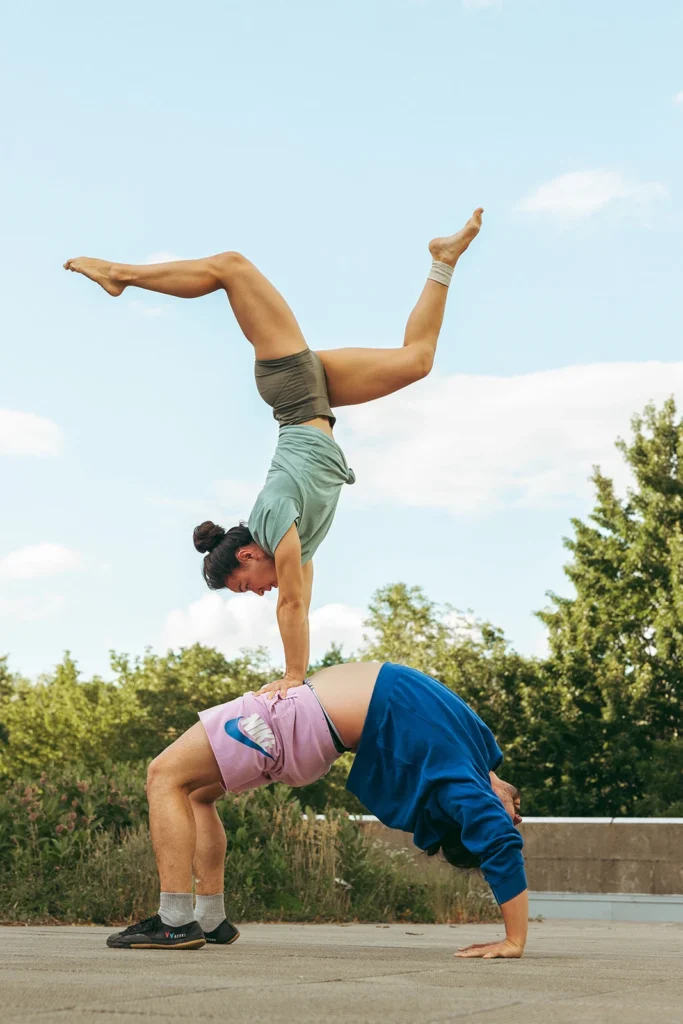
Intermediate acroyoga classes at Acro Umbrella are designed for students who already have some experience with foundational poses, partner communication, and spotting. Some classes may have prerequisites, as we move through skills and transitions more quickly with less time spent on basic pose breakdowns.
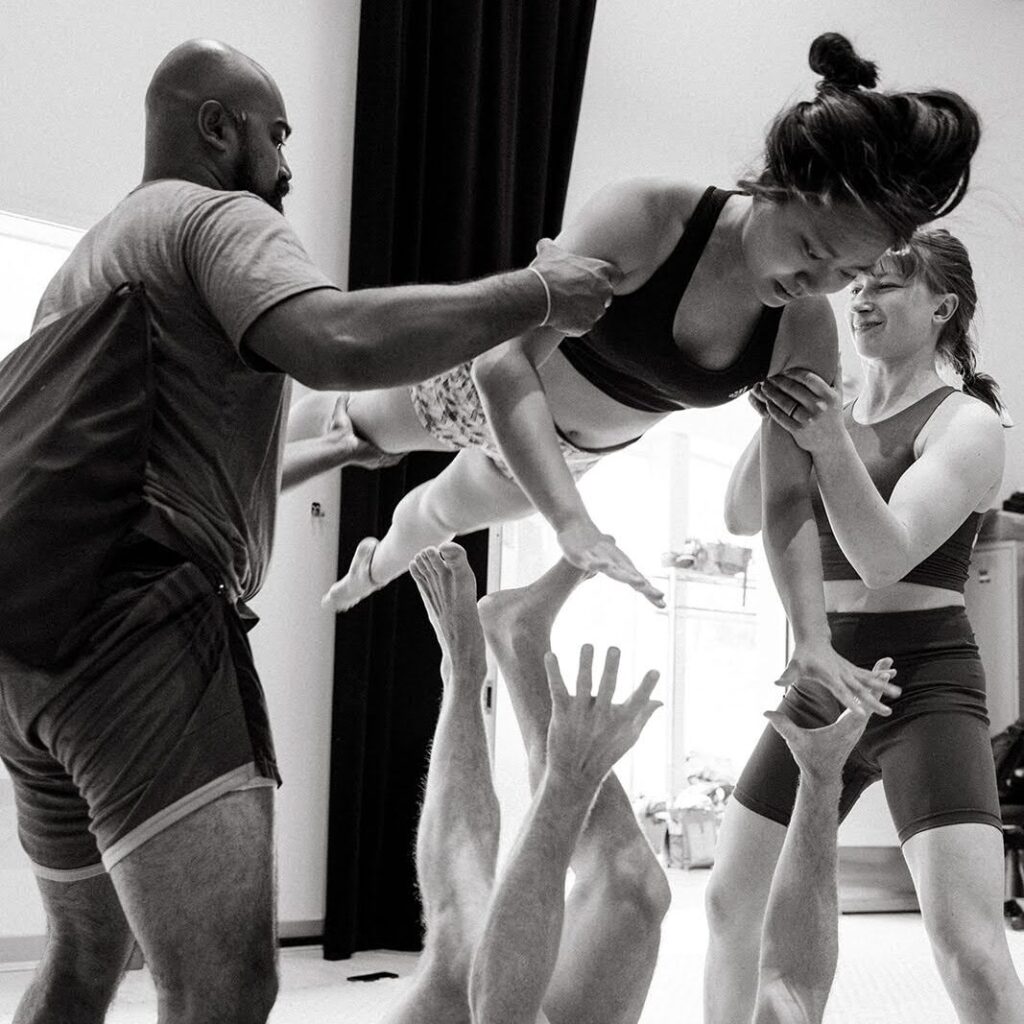
Classes begin with a guided warm-up to get your body moving, build heat, and help prevent injury before training more challenging skills. Intermediate sessions may include flow-based acro, icarian pops, dance lifts, or even trio work, depending on the class focus.
You’ll usually start with a demonstration before breaking skills down into base, flyer, and spotter roles. Classes often involve group training, partner rotations, and an emphasis on spotting and safe progressions so everyone can learn confidently together.
For students wanting a slower transition between intro acroyoga classes and intermediate, our all-levels classes are a great place to build confidence and consistency first.
Is There a Low-Commitment Way to Try Intermediate Acro?
Yes. You can drop into select intermediate acroyoga classes in Vancouver before committing to a class pack. This gives you a chance to explore the training style, community, and pacing without pressure.
Do I Need Wrist Wraps or Acro Shoes?
Not necessarily, but some students choose to use wrist wraps for extra support when learning L-base hand-to-hand or doing handstand training. Most people practice barefoot, though dance shoes or grippy acro shoes can sometimes help with foot-to-hand skills.
Warm up
We start with a check-in and some exercises to warm up the body
Play
Challenge yourself with dynamic flow and connection through acro skills
Safety First
We use clear guidance, spotting, and consent every step of the way
Jam and Ask
We end with practice time. This is an opportunity to get advice from instructors.
Am I Ready for Intermediate Acro?
Probably. The best way to find out is to try a class or ask an instructor. Intermediate classes move a little faster and may have prerequisites, since we spend less time drilling foundational poses and more time exploring transitions, flows, pops, or standing skills. If a class feels too challenging, our all-levels classes are a great place to continue building confidence and consistency.
What If I Feel Nervous About Icarian or Dynamic Skills?
That’s completely normal. Many students feel intimidated trying new skills like whips, pops, or standing transitions for the first time. Intermediate classes focus heavily on spotting, communication, and safe progressions so you can build trust and confidence gradually. You are always encouraged to work at your own pace.
Acro Umbrella Reviews

What are intermediate acroyoga flows?
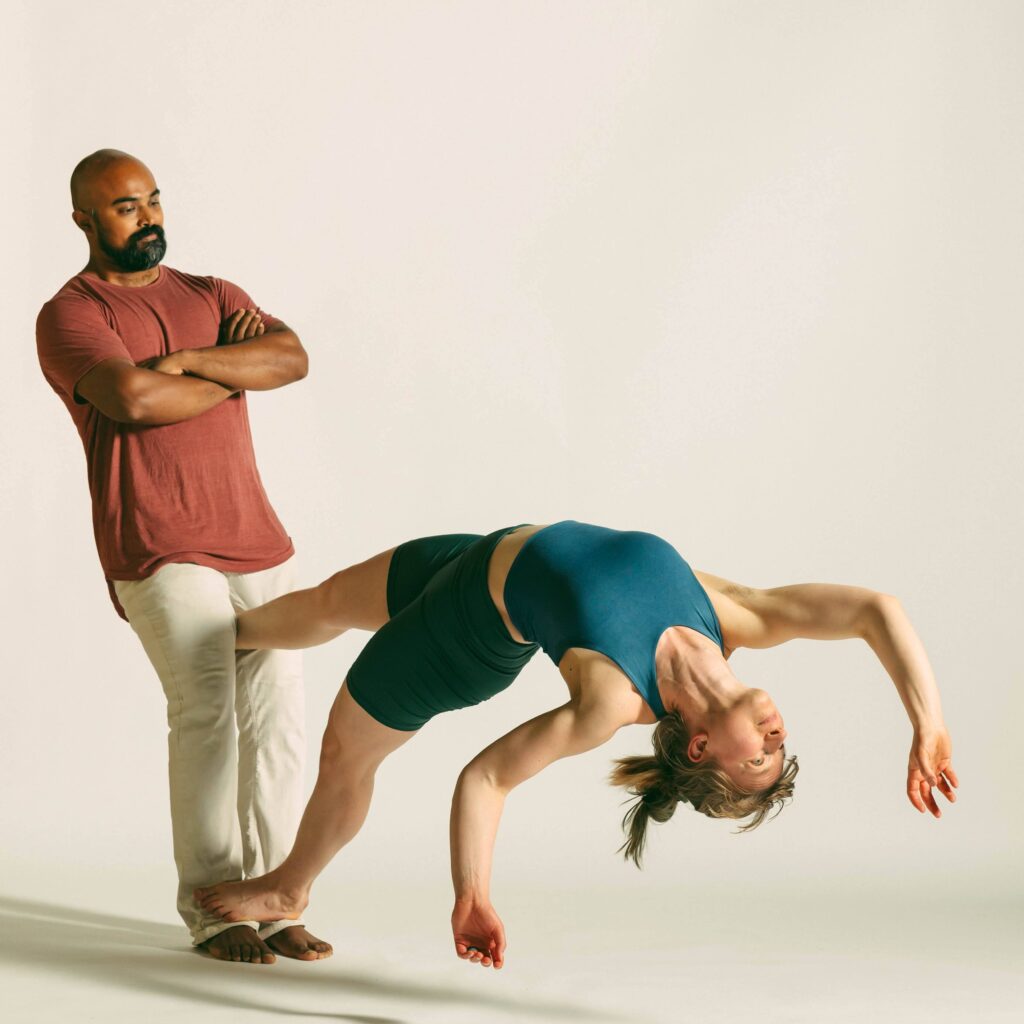
Intermediate acroyoga flows connect multiple poses and transitions together in a smooth sequence. Instead of stopping after each skill, students learn how to move continuously with a partner while developing timing, communication, and body awareness. Some flows may include washing machines, pops, or dynamic transitions.
What are Icarian and acro pops?
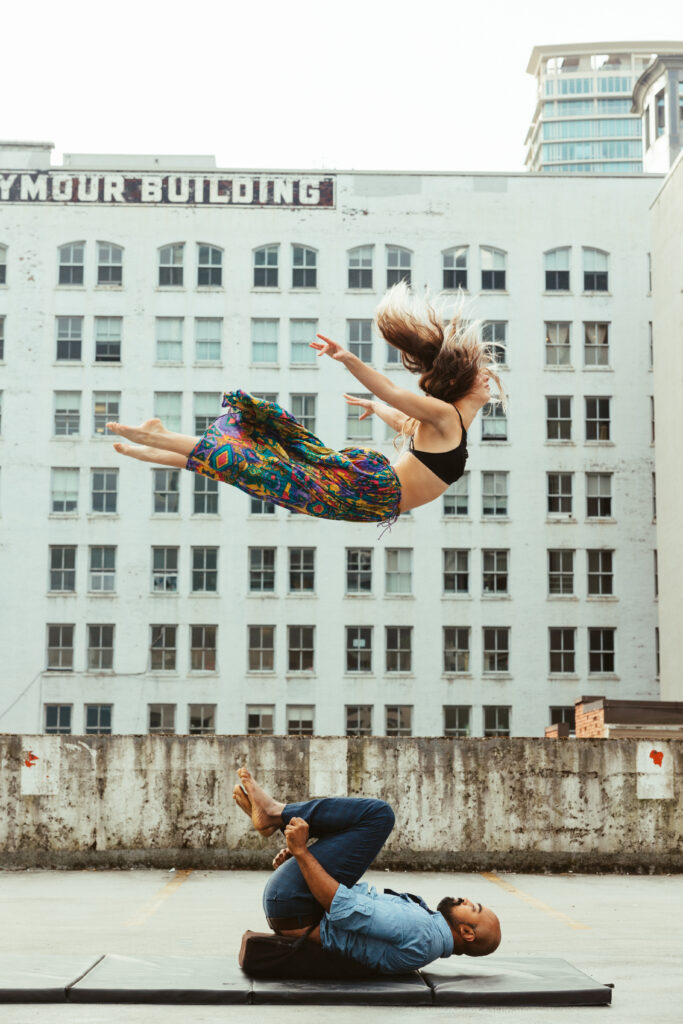
Icarian acro focuses on dynamic throwing and catching skills where the flyer briefly leaves contact with the base before being caught again.
Intermediate Icarian classes may include pops, whip transitions, timing drills, and partner communication exercises to safely build airtime skills.
What are acro dance lifts?
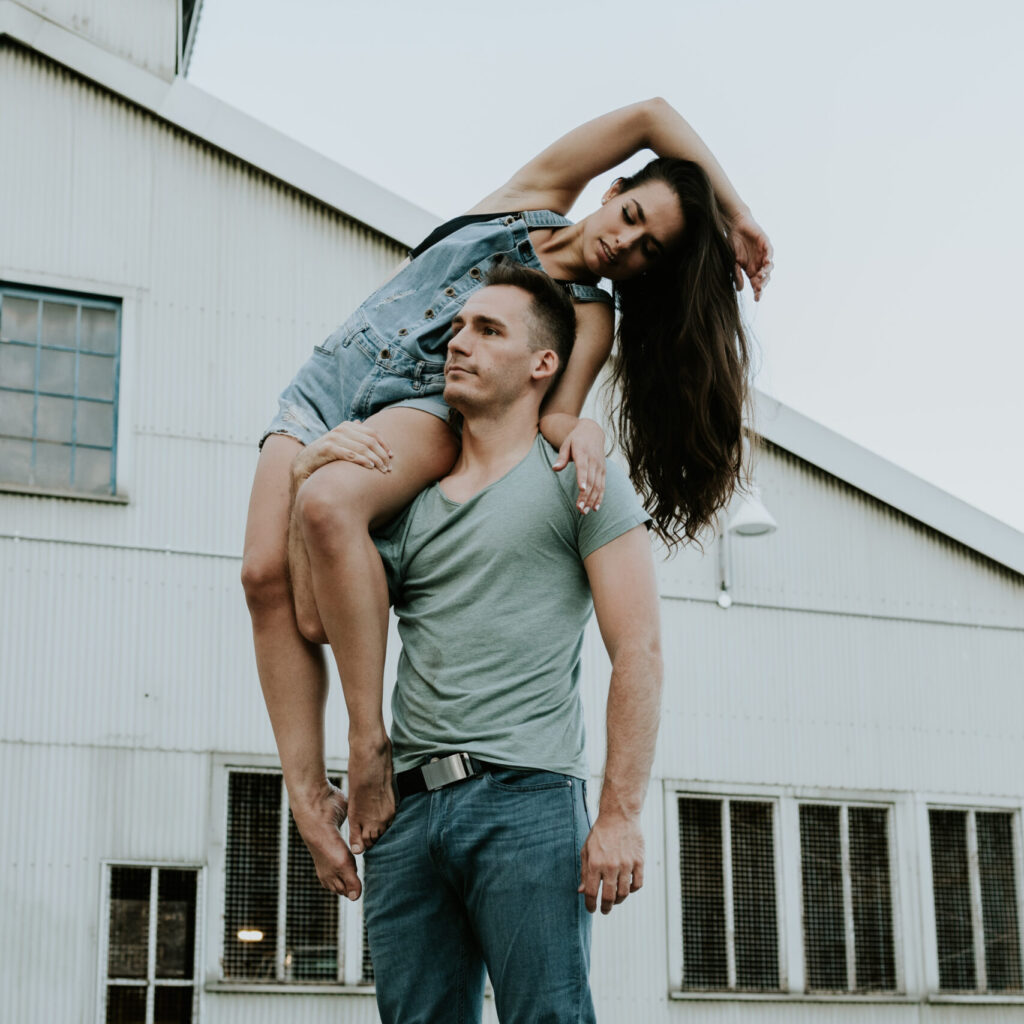
Acro dance lifts combine partner acrobatics with dance-inspired movement, musicality, and flow. These classes often explore standing lifts, creative transitions, balance, and partner connection while blending elements of acroyoga, dance, and circus movement.

Ready to level up to intermediate acroyoga classes?
Join our welcoming community and discover what you are capable of.
I feel nervous or overwhelmed trying more challenging acro skills. How does intermediate classes support my nervous system?
Intermediate acroyoga classes are designed to help students challenge themselves while still feeling safe, supported, and in control throughout the learning process.
Progressive training and nervous system awareness
Some intermediate skills like pops, standing acro, whip transitions, or hand-to-hand can feel intimidating at first. Classes are structured with safe progressions, drills, and spotting systems so that your body and nervous system have time to adapt gradually rather than become overwhelmed.
Clear communication and consent
Saying “no,” asking for a pause, or stepping out of a skill is always acceptable. Students are encouraged to communicate openly with partners and instructors, check in with their comfort levels, and respect personal boundaries throughout class.
Spotting and safety systems
Intermediate acroyoga classes continue to emphasize proper spotting, group awareness, and mat use, especially when learning dynamic skills or higher-risk movements. Skills are typically demoed and broken down step by step before students attempt them.
Focus on trust, connection, and sustainable progression
The goal is not to force advanced skills before you are ready. It is about building confidence, communication, timing, and trust while learning to safely challenge yourself at your own pace.
Are Acro Umbrella Teachers Certified?
Classes at Acro Umbrella are led by experienced instructors with strong backgrounds in acroyoga, partner acrobatics, and movement training. Our teachers are either certified through recognized programs such as VanCity Acro or Montreal Acro teacher training or have 8+ years of hands-on teaching and practice experience.
Instructors are trained in spotting, safety, and progressive teaching methods, ensuring every class is structured, supportive, and accessible for all levels. This means you’re not just learning skills; you’re learning them in a way that prioritizes safety, clear communication, and long-term progression.
Whether you’re brand new or returning with experience, our teaching approach is designed to meet you where you are and help you build confidence step by step.
Contact us if you have any further questions.
FAQ Intermediate Acro Yoga Vancouver
All-levels acroyoga classes are designed to welcome a mix of beginners and experienced students, with more options in difficulty level for each skill and time spent on foundational poses, communication, and safe progressions. Intermediate acroyoga classes move at a faster pace and may include prerequisites, dynamic transitions, icarian pops, hand-to-hand work, or more complex flows.
Acroyoga blends partner acrobatics with yoga principles like breath, connection, trust, and therapeutic movement. Partner acro (or partner acrobatics) is often more performance or skill focused, with greater emphasis on dynamic tricks, standing acrobatics, and circus-inspired movement. In practice, there is a lot of overlap between the two communities.
Icarian is a style of acro where the flyer is thrown completely into the air with no points of contact before being caught again by the base. The name “Icarian” comes from the ancient Greek myth of Icarus, who was said to fly through the sky using wings made of feathers and wax. The style later evolved through traditional circus acrobatics and foot juggling disciplines before becoming part of modern acroyoga and partner acrobatics communities.
In intermediate acroyoga classes, students may begin learning foundational pops, safe progressions, timing drills, and spotting techniques before progressing into more advanced Icarian skills.
Hand-to-hand is a partner acrobatics skill where the flyer balances directly on the base’s hands, often in handstands. This skill can be explored in both L-base (on the ground) and standing. It requires strength, timing, body awareness, and communication from both partners.
Circus acrobatics is typically performance-based and may focus on choreography, precision, strength, and advanced technical skills. Acroyoga usually places more emphasis on connection, communication, play, accessibility, and community while still incorporating acrobatic movement. Many skills and techniques overlap between both disciplines.
Sometimes your body and nervous system simply need time to understand a movement pattern. Even if a skill feels impossible one day, it may suddenly feel much easier after rest, sleep, or more repetition. Acroyoga is not just about strength, it is also timing, coordination, trust, and body awareness developing together over time.
A washing machine is a continuous sequence of acroyoga poses and transitions that loop together without fully resetting. Instead of stopping after each pose, partners keep moving fluidly from one skill to another.
Wrist soreness can happen when learning new weight-bearing skills, especially in acro, hand-to-hand, or foot-to-hand variations. Rest, mobility work, and gradually building wrist strength can help. Some students also use wrist wraps for extra support. If pain continues or feels sharp, check in with a physiotherapist or healthcare professional.
Some soreness or light bruising can happen when learning new contact points in poses like side star or during dynamic transitions. Your body is adapting to pressure and weight distribution in unfamiliar ways. Padding (wearing an extra pair of shorts over your tights), proper alignment, taking breaks, and gradually increasing training volume can help reduce discomfort over time.