Acro Umbrella
Standing Acro Classes in Vancouver
Ready to take acroyoga off the ground?
Standing acro classes at Acro Umbrella explore balance, timing, communication, and trust through progressive partner acrobatics in Vancouver. Classes may include standing poses, dance lifts, hand-to-hand foundations, and movement drills taught with spotting and safe progressions to help students build confidence step by step.
Who’s it for? Acroyoga students, dancers, movers, and adventurous beginners interested in in circus movement, standing acro, and collaborative partner movement.
Great for building coordination, body awareness, trust, and confidence with upright partner skills.
Class Location: iDance – 257 E 7th, East Vancouver
No Partner Needed
Everyone is welcome
Safe, Supported and Fun
Drop-in options available
What to Expect at Standing Acro Classes in Vancouver
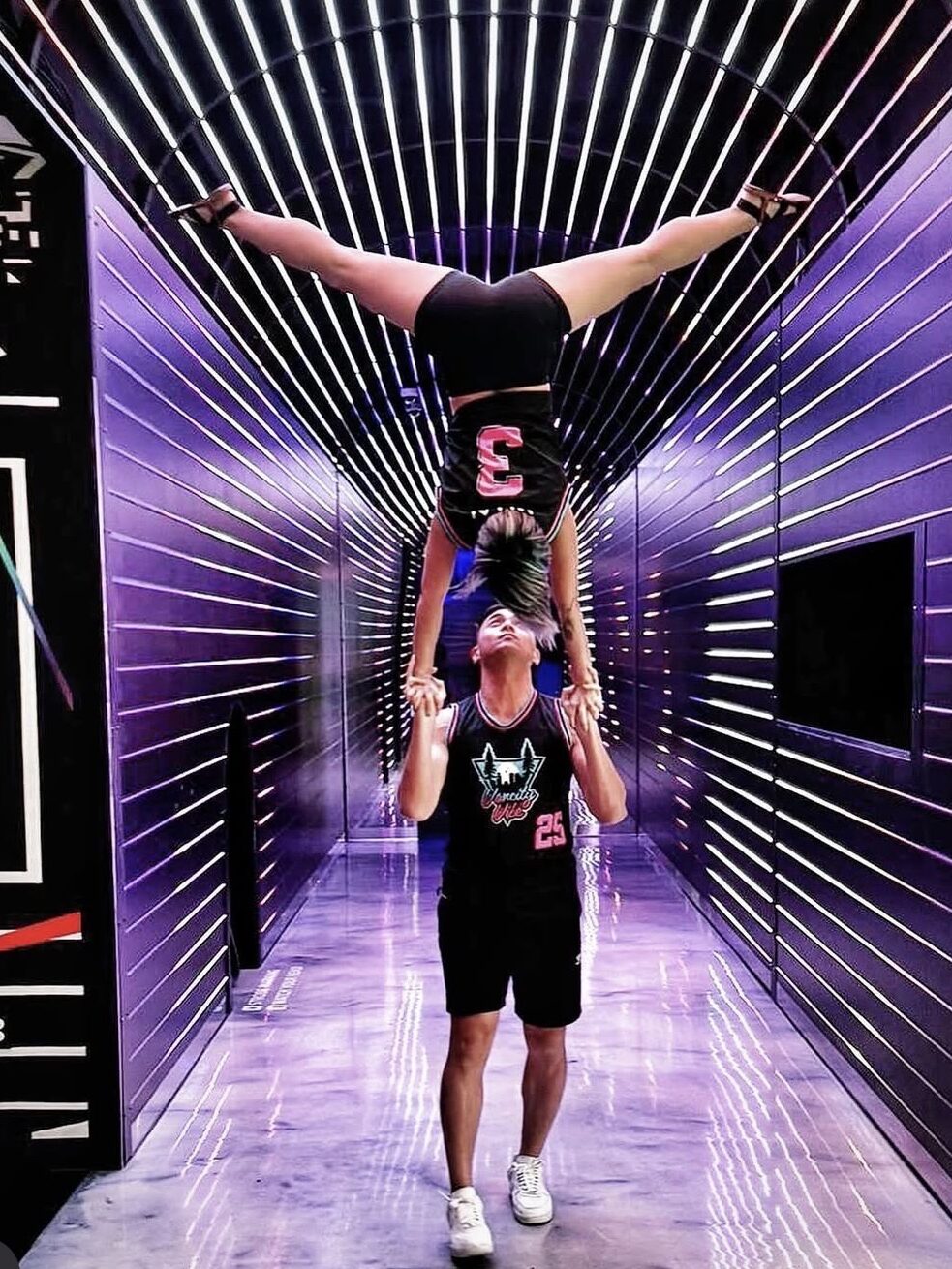
Standing partner acro classes at Acro Umbrella are designed for students who already have some experience with acroyoga foundations, spotting, and partner communication. These classes explore taking acro off the ground through standing partner movement, balance, timing, strength, and trust.
Depending on the class focus, students may work on hand-to-hand foundations, standing poses, dance lifts, partner drills, and circus-inspired acrobatics in a supportive group environment. Some classes may have prerequisites, as standing partner acro often builds on foundational partner skills and body awareness.
Classes begin with a guided warm-up to prepare the wrists, shoulders, core, and stabilizing muscles before training more technical standing skills. Sessions may include standing poses, foot-to-hand and hand-to-hand foundations, dance lifts, two-highs, and circus-inspired partner acrobatics, depending on the class focus. Many standing acrobatic traditions have roots in circus performance and partner acrobatics training.
You’ll usually start with demonstrations and drills before breaking skills down. Classes emphasize communication, safe progressions, and proper spotting while building confidence and training at greater heights. Ceiling height and training space are also important considerations for standing partner acro classes to safely practice lifts and vertical skills.
Warm up
We start with a check-in and some exercises to warm up the body
Learning
Challenge yourself with dynamic flow and connection through acro skills
Safety First
We use clear guidance, spotting, and consent every step of the way
Jam and Ask
We end with practice time. This is an opportunity to get advice from instructors.
Am I ready for standing acro classes?
Maybe. The best way to find out is to try a class or talk to an instructor. Standing partner acro classes are designed for students who already have some experience with partner acrobatics, communication, and spotting. Classes will cover different skills than intermediate sessions, with more focus on standing, hand-to-hand foundations, standing transitions, and partner drills instead of L-base flows. If standing acro feels too intense at first, intermediate acroyoga classes are a great place to continue building confidence and body awareness.
Do I Need Wrist Wraps or Acro Shoes?
Not necessarily, but many students choose to use wrist wraps for additional support during hand-to-hand training or handstand work. Acro shoes can also help protect your feet and ankles, especially since standing acro involves training and landing from greater heights than traditional L-basing. Some students still prefer to practice barefoot, depending on the skill focus.
What If I feel nervous about standing skills?
That’s completely normal. Standing partner acro can feel intimidating because you are working higher off the ground and learning new balance points with a partner. Classes focus heavily on spotting, communication, and safe progressions so students can build trust and confidence gradually while working at their own pace.
Is There a Low-Commitment Way to Try Standing Acro?
Yes. Select standing partner acro classes in Vancouver may offer drop-ins so you can experience the training style, pacing, and community before committing to a class pack.
Acro Umbrella Reviews

What is standing acro?
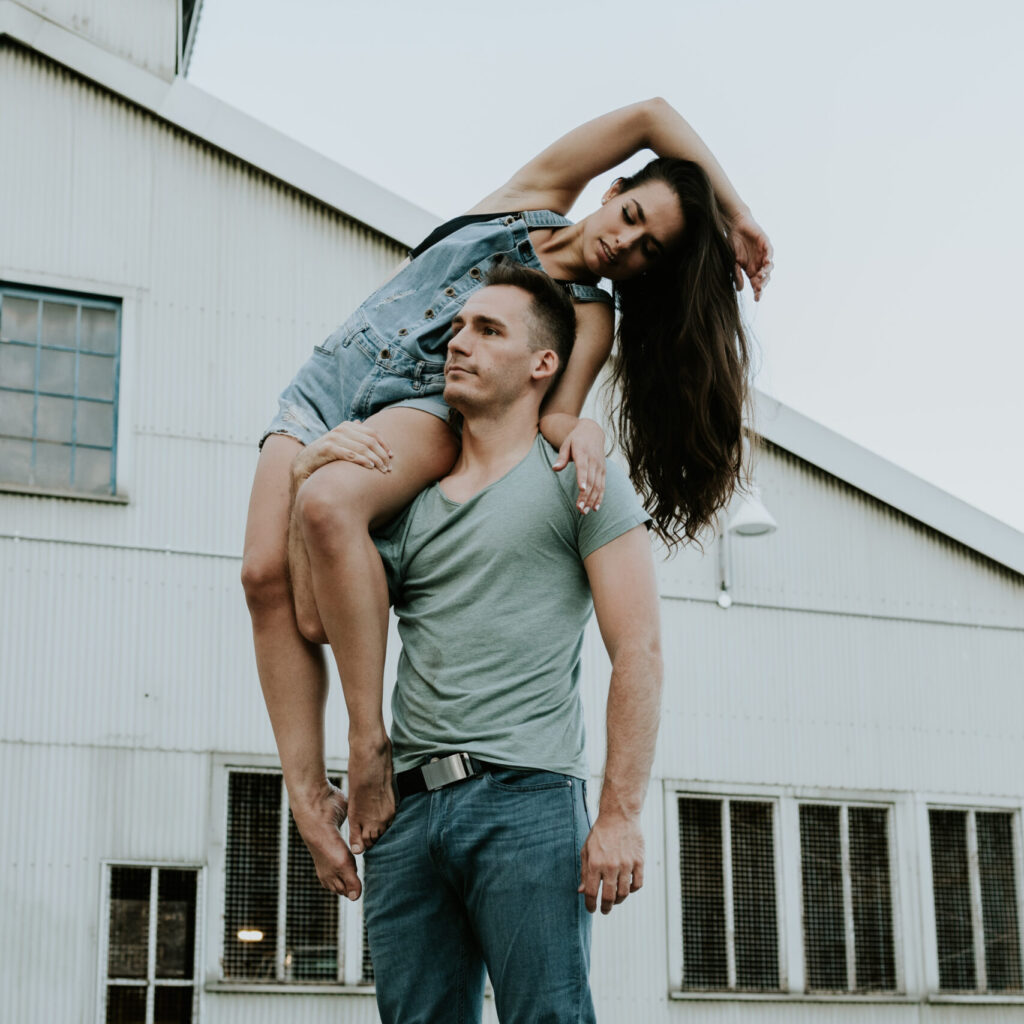
Standing acro is a style of partner acrobatics where partners balance, lift, and move together while both people remain standing. Classes may include hand-to-hand skills, standing poses, foot-to-hand, dance lifts, and circus-inspired partner movement that builds trust, communication, strength, and body awareness.
What are hand-to-hand foundations in standing partner acro?
Hand-to-hand foundations teach the core mechanics needed for standing partner acrobatics. Students work on balance, grip, posture, stacking, timing, and communication drills before progressing into more advanced standing skills or transitions.
Community, Collaboration & Inclusivity
Standing acro classes at Acro Umbrella are built around collaborative learning, supportive spotting, and community growth. Many classes include partner rotations, giving students the chance to train with different body types, communication styles, and movement backgrounds.
Spotters are encouraged to stay engaged and supportive throughout class, helping create a culture where students can safely challenge themselves, ask questions, and learn together without pressure to perform. Over time, this collaborative environment helps students build trust, confidence, adaptability, and stronger acro communication skills both on and off the mat.
Inclusivity
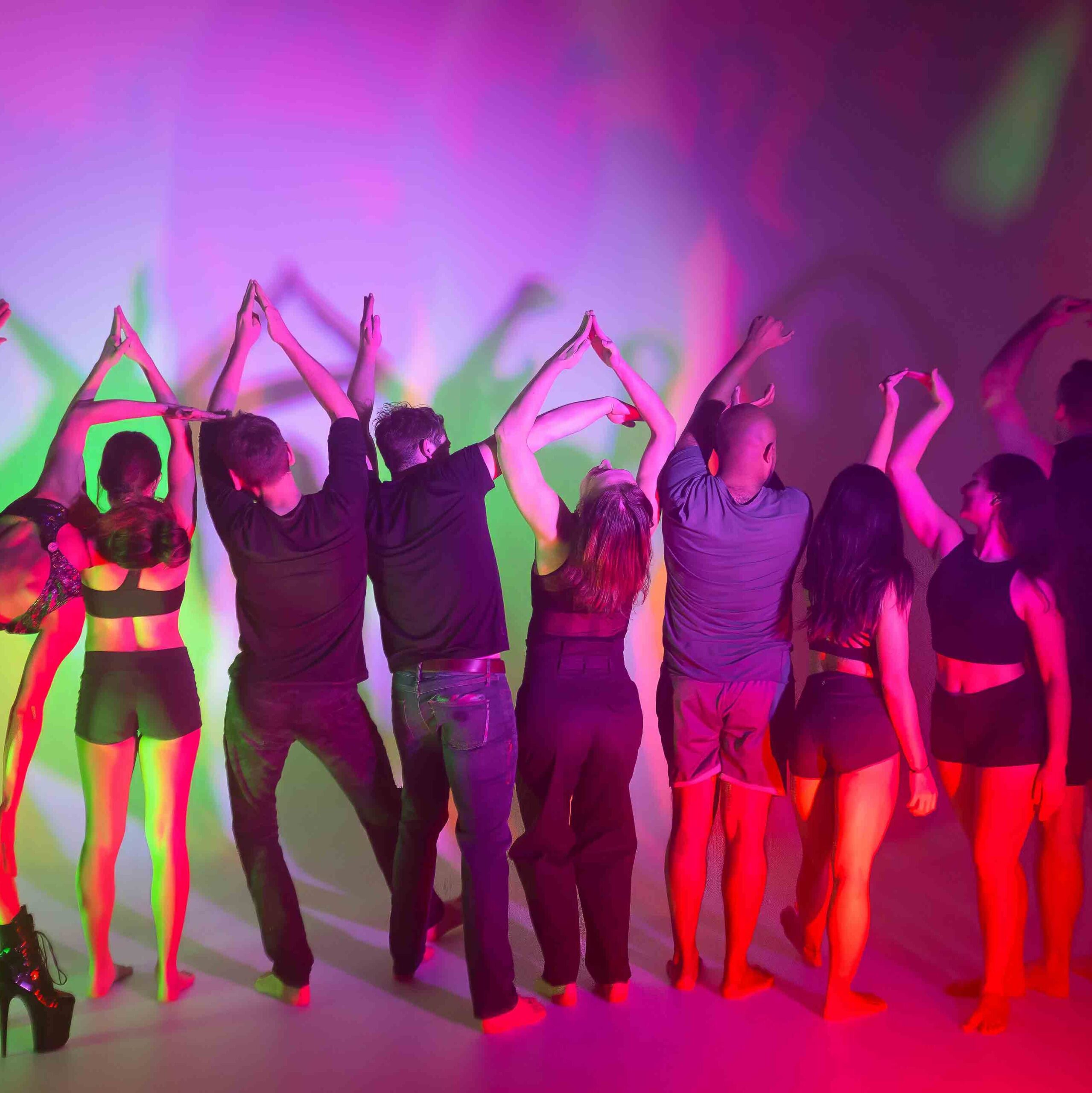
At Acro Umbrella, we believe acro is for everybody and every body. While it is common for smaller-bodied students to fly and larger-bodied students to base, we encourage everyone to explore different roles and discover what feels right for them. Many students train as both bases and flyers, and some even become “mids” who enjoy understanding all sides of a skill.
Empathy, communication, and mutual respect are a huge part of acro culture. We encourage students to share pronouns if they feel comfortable, respect each other’s boundaries and identities, and create a welcoming environment where people can learn together safely and without judgment. Our goal is to build a collaborative community that celebrates both our differences and shared experiences through movement and connection.

Ready to level up to standing partner acro classes?
Join our welcoming community and discover what you are capable of.
Are Acro Umbrella Teachers Certified?
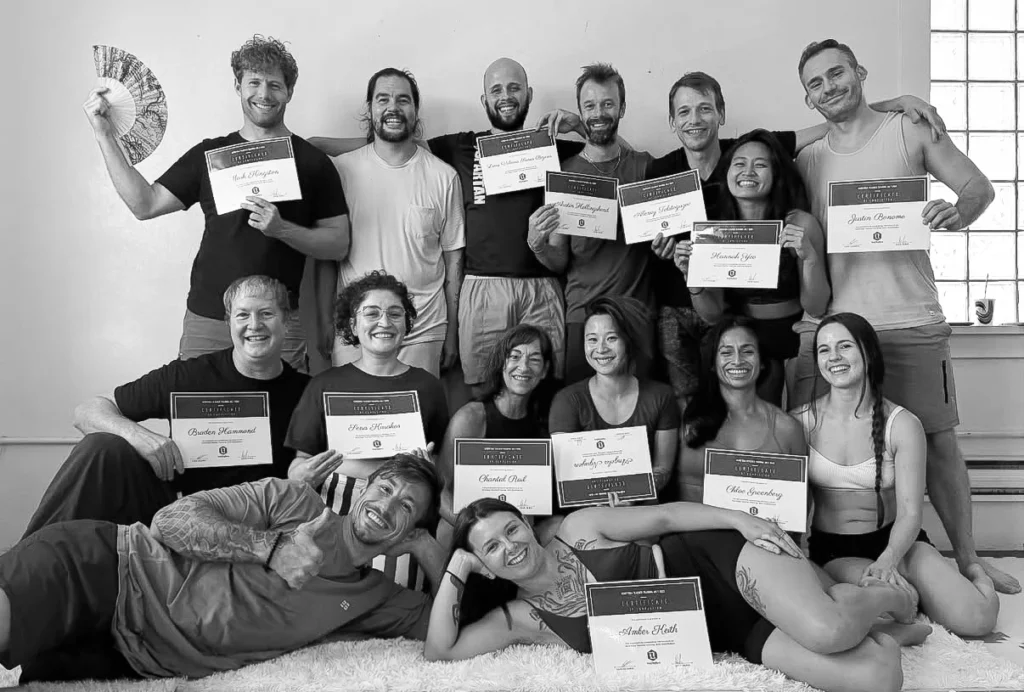
Classes at Acro Umbrella are led by experienced instructors with strong backgrounds in acroyoga, partner acrobatics, and movement training. Our teachers are either certified through recognized programs such as VanCity Acro or Montreal Acro teacher training or have 8+ years of hands-on teaching and practice experience.
Instructors are trained in spotting, safety, and progressive teaching methods, ensuring every class is structured, supportive, and accessible for all levels. This means you’re not just learning skills; you’re learning them in a way that prioritizes safety, clear communication, and long-term progression.
Whether you’re brand new or returning with experience, our teaching approach is designed to meet you where you are and help you build confidence step by step.
Contact us if you have any further questions.
FAQ Standing Acro Vancouver
Some standing acro classes may have prerequisites, but many welcome students with intermediate acroyoga or movement experience. Communication, spotting, and body awareness are often more important than strength alone
No. Handstands can help, but many standing acro drills and partner skills can be practiced without a full handstand.
Standing acro classes use spotting, mats, progressions, and partner drills to help students learn safely and gradually.
Hand-to-hand is a partner acrobatics skill where the flyer balances directly on the base’s hands, often in handstands. This skill can be explored in both L-base (on the ground) and standing. It requires strength, timing, body awareness, and communication from both partners.
Circus acrobatics is typically performance-based and may focus on choreography, precision, strength, and advanced technical skills. Acroyoga usually places more emphasis on connection, communication, play, accessibility, and community while still incorporating acrobatic movement. Many skills and techniques overlap between both disciplines.
Standing acro often comes from the acroyoga community and tends to emphasize connection, communication, and playful partner movement. Circus partner acro is usually more performance-focused and may involve more technical progressions, choreography, and stage performance. In practice, there is a lot of overlap between the two styles.
Dance lifts are usually more choreography and performance based, while standing acro often focuses more on balancing skills, partner calibrations, and technical acrobatic training.
Absolutely. We encourage students to explore both roles whenever possible. Learning both sides can improve communication, empathy, timing, and overall understanding of the skill. Students who enjoy training multiple roles are sometimes playfully called “mids” within the acro community.